
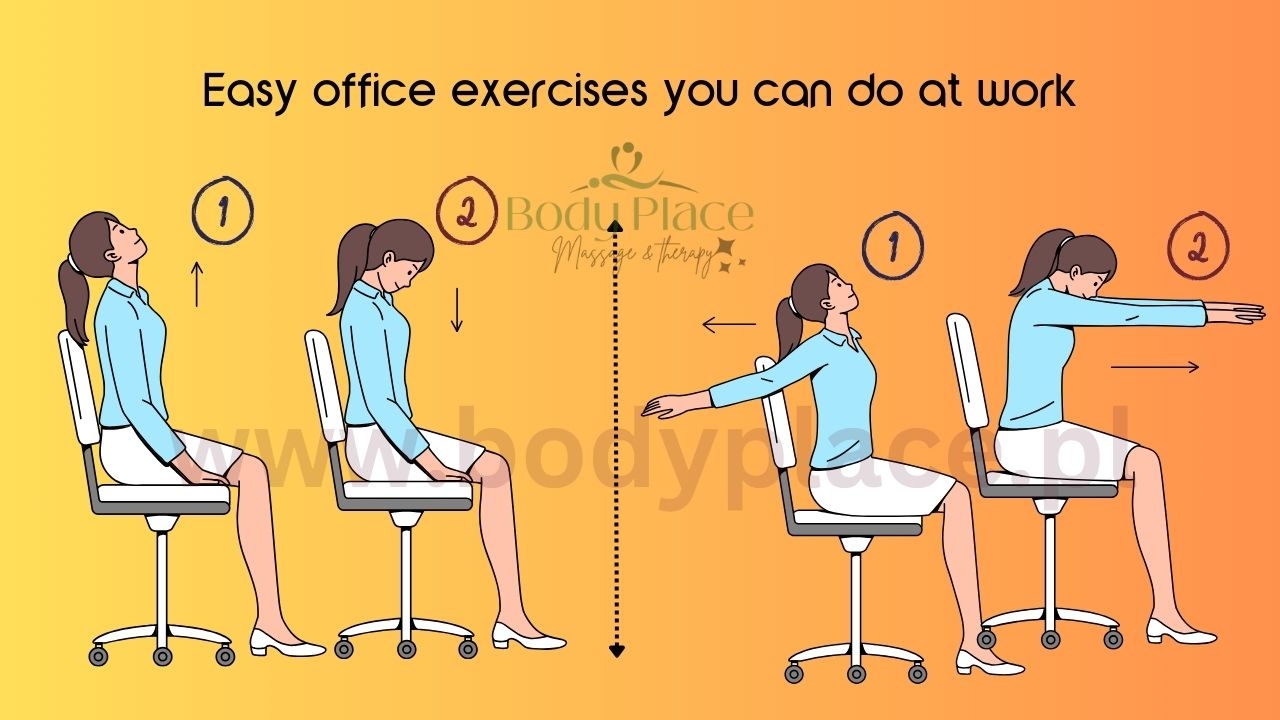
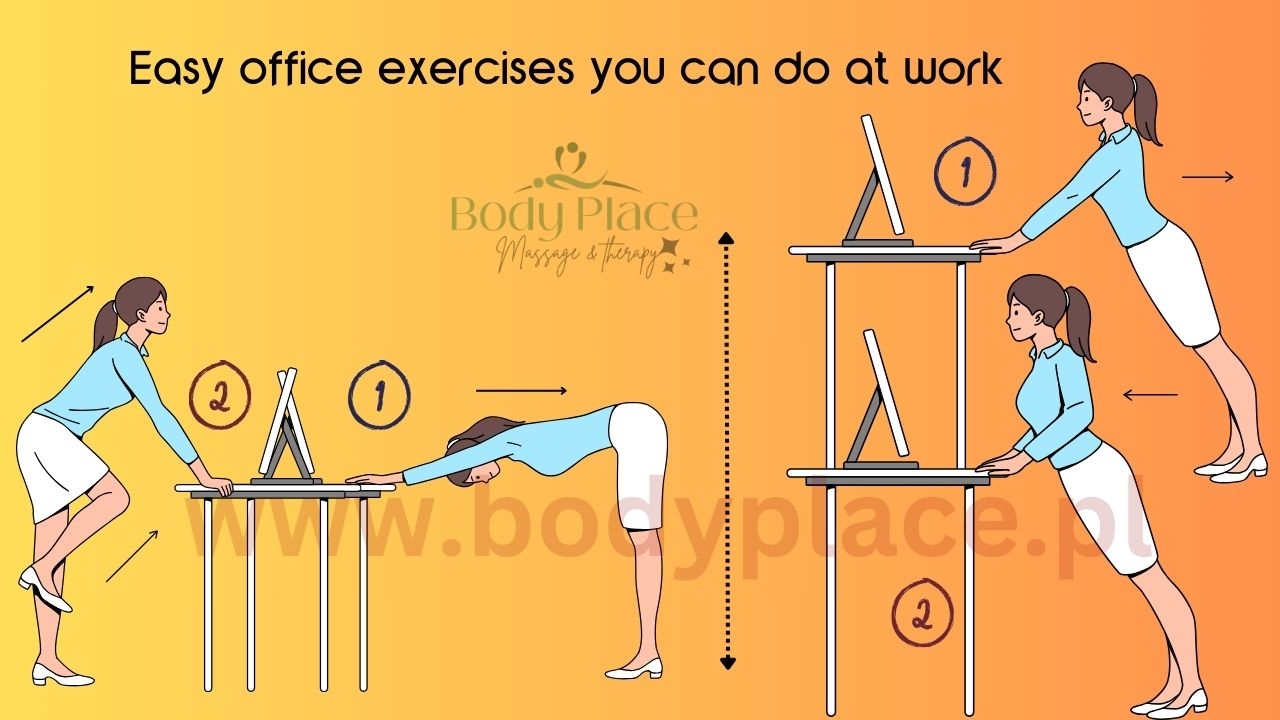
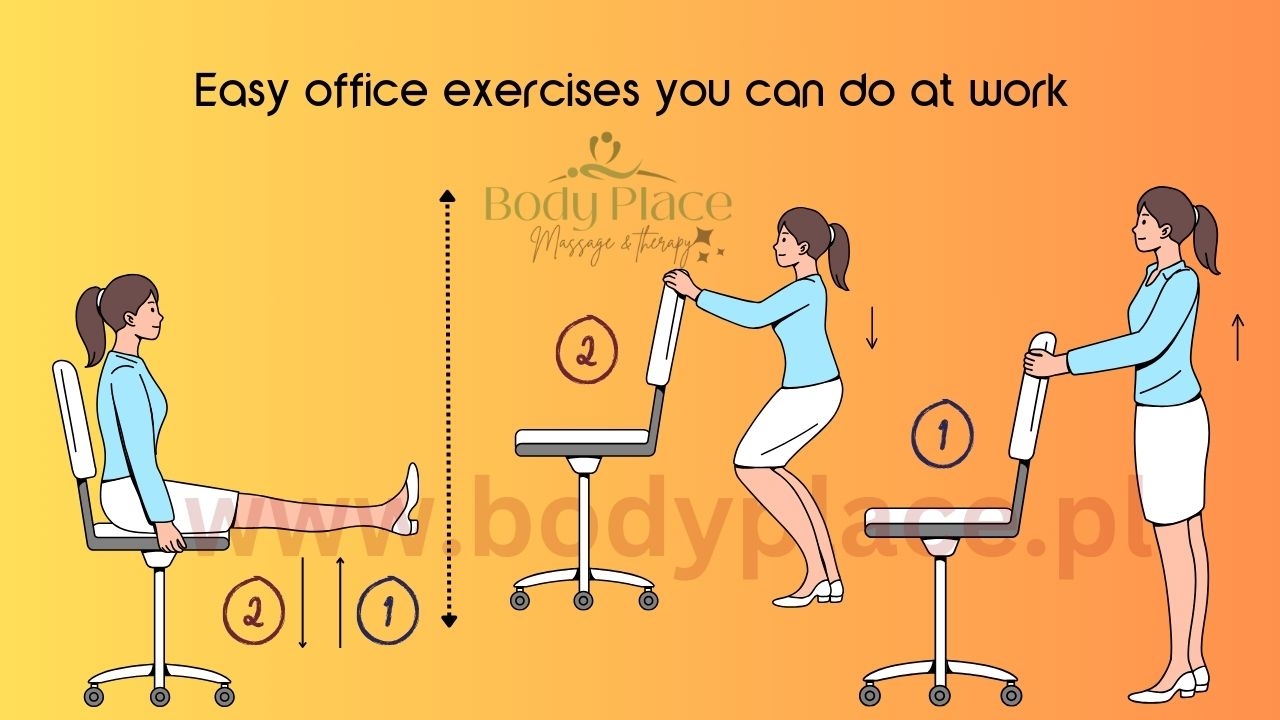
Easy office exercises you can do at work
Regardless of age, profession or physical fitness, incorporating chair and desk exercises in your daily routine can significantly improve your physical health, mental wellness and productivity at work.
Below are some easy office exercises to do at your desk with no equipment:


UNDERSTANDING CALORIC NEEDS
A calorie is a unit of energy. This power that the body needs to move and maintain its temperature is called energy. The nutrients we take into our body turn into energy, but after meeting the energy need, the excess calories turn into fat molecules and cause the body to fat.
The essential nutrients our body needs to produce energy; Protein, Carbohydrate, Fat
Energy = Cal – Kcal
1 gr. Protein = 4 calories
1 gr. Carbohydrate = 4 calories
1 gr. Fat = 9 calories
7700 Calorie = 1 Kg
7700 calories is equivalent to 1 kilogram. If you consume 7700 calories, you will gain 1 kilogram. If you spend 7700 calories, you will lose 1 kilogram.
Now that you know your body mass index you are one step closer to mastering your overall health. Find out how to understand your BMI
- If your BMI is below 18.5: Your BMI is considered underweight. Keep in mind that an underweight BMI calculation may pose certain health risks. Please consult your healthcare provider for more information about BMI calculations.
- If your BMI is between 18.5 – 24.9: Your BMI is considered normal. This healthy weight helps reduce your risk of serious health conditions and means you’re close to your fitness goals.
- If your BMI is between 25 – 29.9: You should lose weight by changing your diet and exercising more.
- If your BMI is above 30: Your BMI is considered overweight. Being overweight may increase your risk of cardiovascular disease. Consider making lifestyle changes through healthy eating and fitness to improve your health.
- If your BMI is above 40: are considered to be at especially high risk for health problems.